

Is Minimal Invasive Heart Surgery available in Delhi?
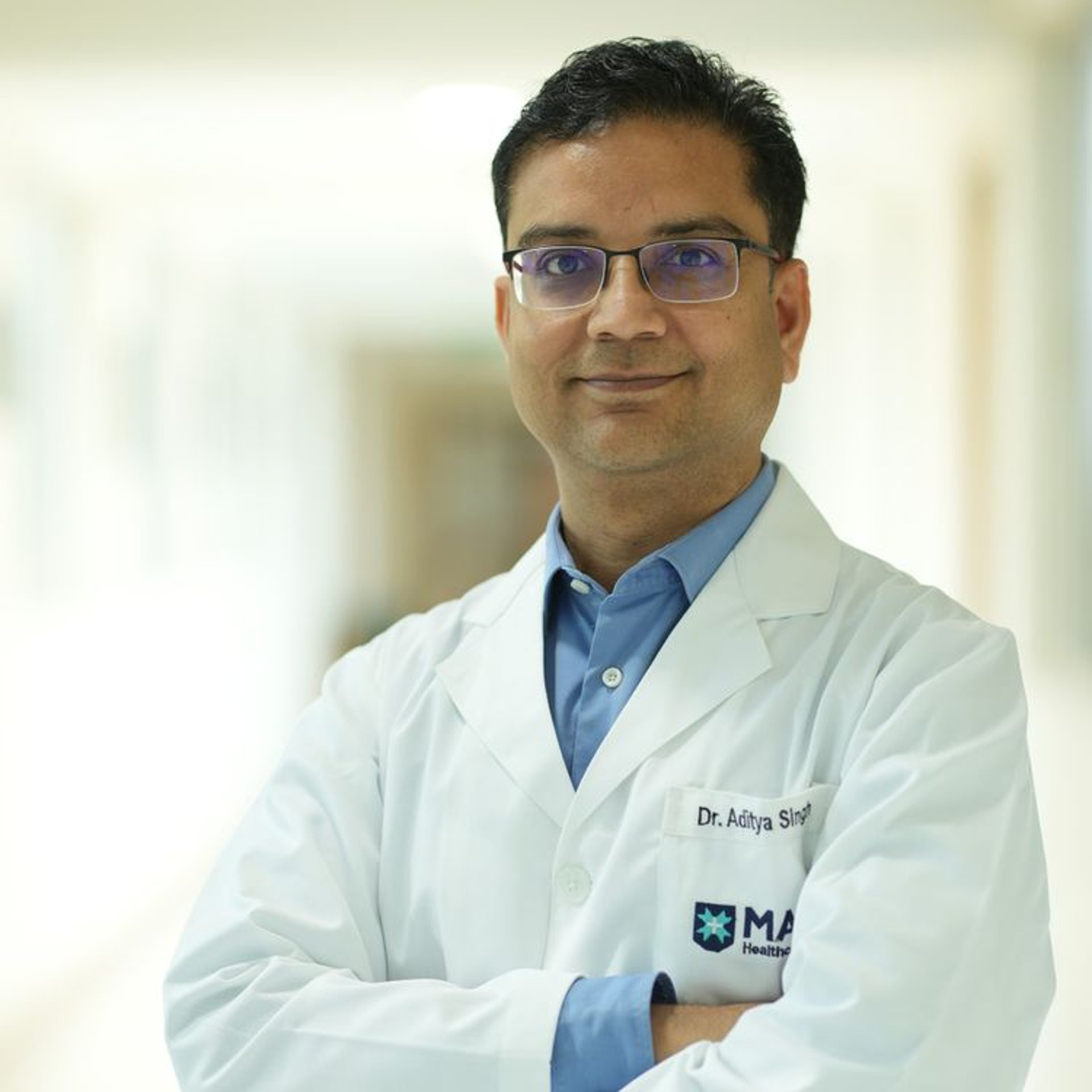
Yes. Minimally Invasive Heart Surgery is available in Delhi at Max SMART Super Speciality Hospital, Saket, where Dr. Aditya Kumar Singh specializes in advanced minimally invasive and robotic heart surgery, offering smaller incisions, faster recovery, and excellent surgical outcomes.
FAQ
Q: Which heart conditions can be treated with minimally invasive cardiac surgery?
A: Minimally invasive cardiac surgery can be used to treat selected cases of coronary artery disease, including minimally invasive bypass surgery, as well as valve disorders such as mitral valve repair or replacement. It may also be used for atrial septal defect closure and other specific cardiac conditions. Not all heart problems are suitable, and careful evaluation is required to determine feasibility.
Q: What are the main advantages of minimally invasive cardiac surgery over open-heart surgery?
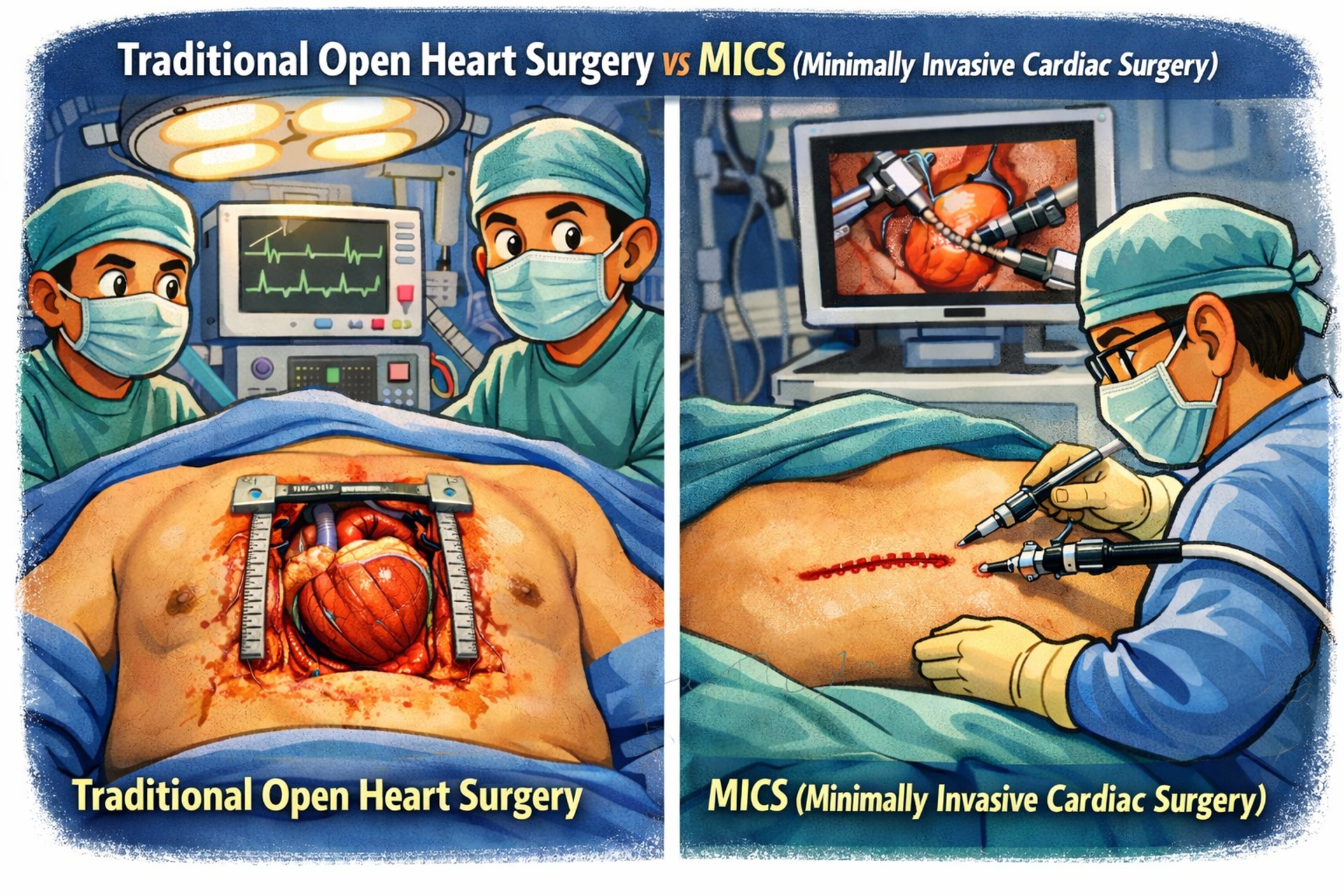
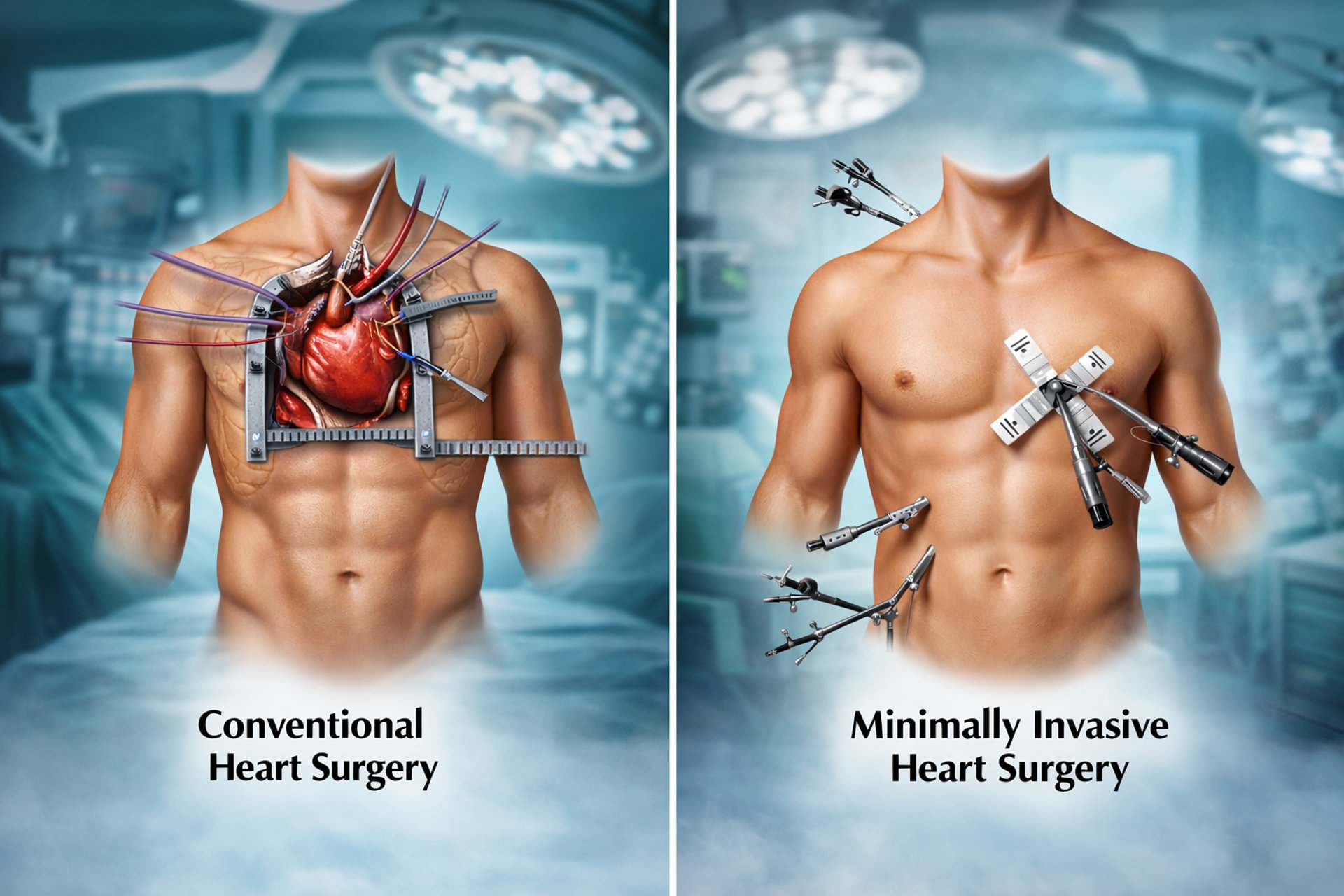
A: The main advantages include smaller incisions, avoidance of breastbone cutting, less postoperative pain, reduced blood loss, lower infection risk, shorter hospital stay, and faster recovery. Cosmetic results are also better due to smaller scars, while long-term outcomes remain comparable in selected patients.
Q: Why does surgeon experience matter in minimally invasive cardiac surgery?
A: Minimally invasive cardiac surgery is technically demanding and requires advanced training and experience. Surgeon expertise directly impacts patient selection, surgical precision, complication rates, and long-term outcomes. An experienced surgeon ensures that the benefits of minimally invasive techniques are achieved without compromising safety.
Q: Is minimally invasive cardiac surgery suitable for all patients?
A: Minimally invasive cardiac surgery (MICS) is suitable for many patients with heart disease and is increasingly preferred because of its proven benefits. Most patients with selected coronary artery disease or valve problems can safely undergo MICS after proper evaluation. Final suitability depends on heart anatomy and overall health, and careful selection helps maximize safety, faster recovery, and excellent outcomes.